
Leading Change
with Confidence
Change is unsettling because it touches identity and self-esteem. This work helps leaders and teams navigate the human side of change — not just the logistics of it.
Change can be a daunting and unsettling experience for people as it impacts their sense of self or identity and their self-esteem, often creating a sense of loss. This human element, and the sense of loss related to change, is frequently overlooked in planning for social or organizational change or in AI Adoption strategies, but it is crucial to ensuring that change efforts are successful.
Our Leading Change programs draw on worldviews; psychological, neuroscience and behavioral science research and concepts as well as the practical stages of the Change Curve to support people both in leading change and responding to it.
Worldviews and Worldview Intelligence
In any change initiative, people – those leading and those involved and those impacted – all have worldview perspectives – on change in general and the specific changes affecting their workplace and work environment.
From a leadership perspective, understanding the variances between these worldviews ensures more effective communication and change strategies and invites the curiosity needed to listen to how worldviews might be impacting the progress of change.
Psychological Research, NeuRoscience and Identity
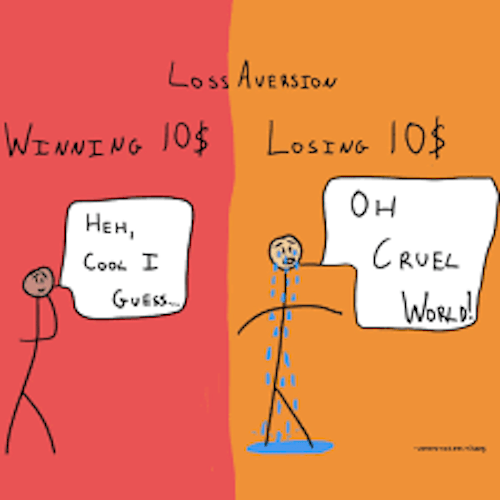
Managing change effectively requires acknowledging the impact it has on people's sense of identity and self-esteem. It's not enough to simply present the benefits of the change; the loss people may feel also needs to be addressed and they need to be reminded of their points of stability. Reminding people of their identity and what will remain stable will help ease their anxiety and increase the chances of change succeeding.
In our leading change programs, you'll learn the how the perception of loss impacts your ability to manage change.
Behavioral Science and The Change Curve
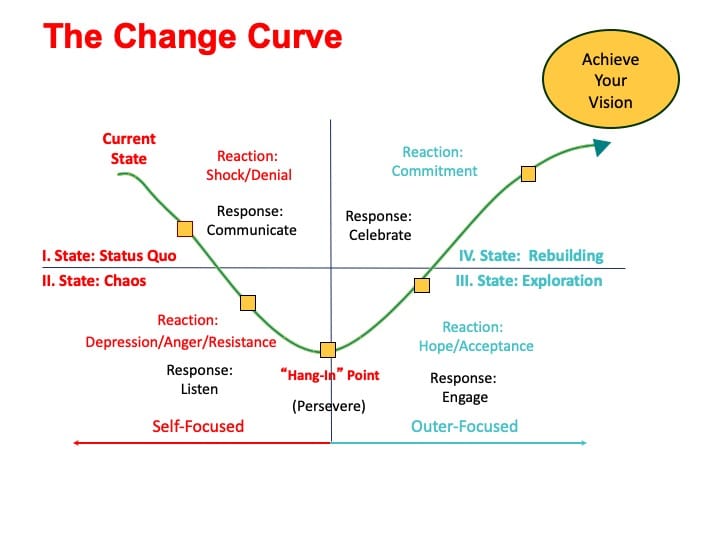
There are typical, predictable reactions to change, no matter what kind of change is being initiated. These reactions are depicted in the Change Curve, describing the emotional reactions at each stage – which are also worldviews. Leaders often want to circumvent these reactions, believing they will slow progress.
Ironically, what slows progress is trying to short circuit the process. It never works. Paying attention to how people are reacting or adjusting to change, allows you to be responsive with communications, engagement and strategy. Also remember, no matter how much good planning is done, you will encounter unanticipated situations and reactions. That is why it is important to be responsive to emerging situations.
Understanding the Change Curve is fundamentally valuable in informing change communication strategies. It is the absence of communication and the lack of creating space for people to talk to each other that contributes to the feelings of being alone. That sense of being alone interferes with the ability of people – individually and collectively – to successfully move through change.
You will gain tools for identifying the loss and addressing it in productive ways to ensure better outcomes. We’ll share best practices and action strategies for leading successful organizational changes and managing stakeholders' expectations.
At the end of the session, you’ll walk away with actionable insight into driving positive change in your organization. Sign up today and start leading the charge for lasting transformation!
Learning Outcomes
Explore the connection between worldviews, identity, self-esteem and loss in change.
Understand how neuroscience and behavioral science concepts predispose us to focus on loss instead of gain.
Be introduced to the Change Curve and when and how to address loss to be able to reorient people to what they will be gaining.
Discover ways to help people facing change live into a more empowering story of the future.
Find the Right Format for Your Team
Contact us to discuss your change situation and explore what program offering will work best — webinar, half-day, full day, multiple days, in-person or virtual.